



Mazda CX-5 VS Hyundai Tucson
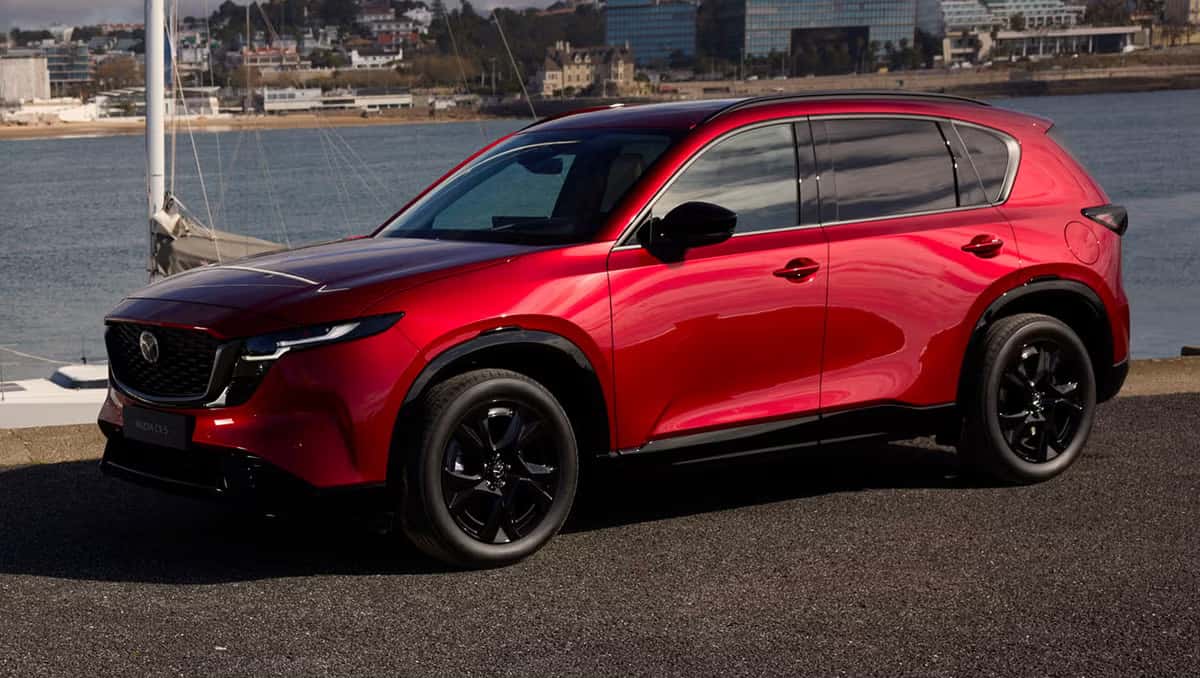
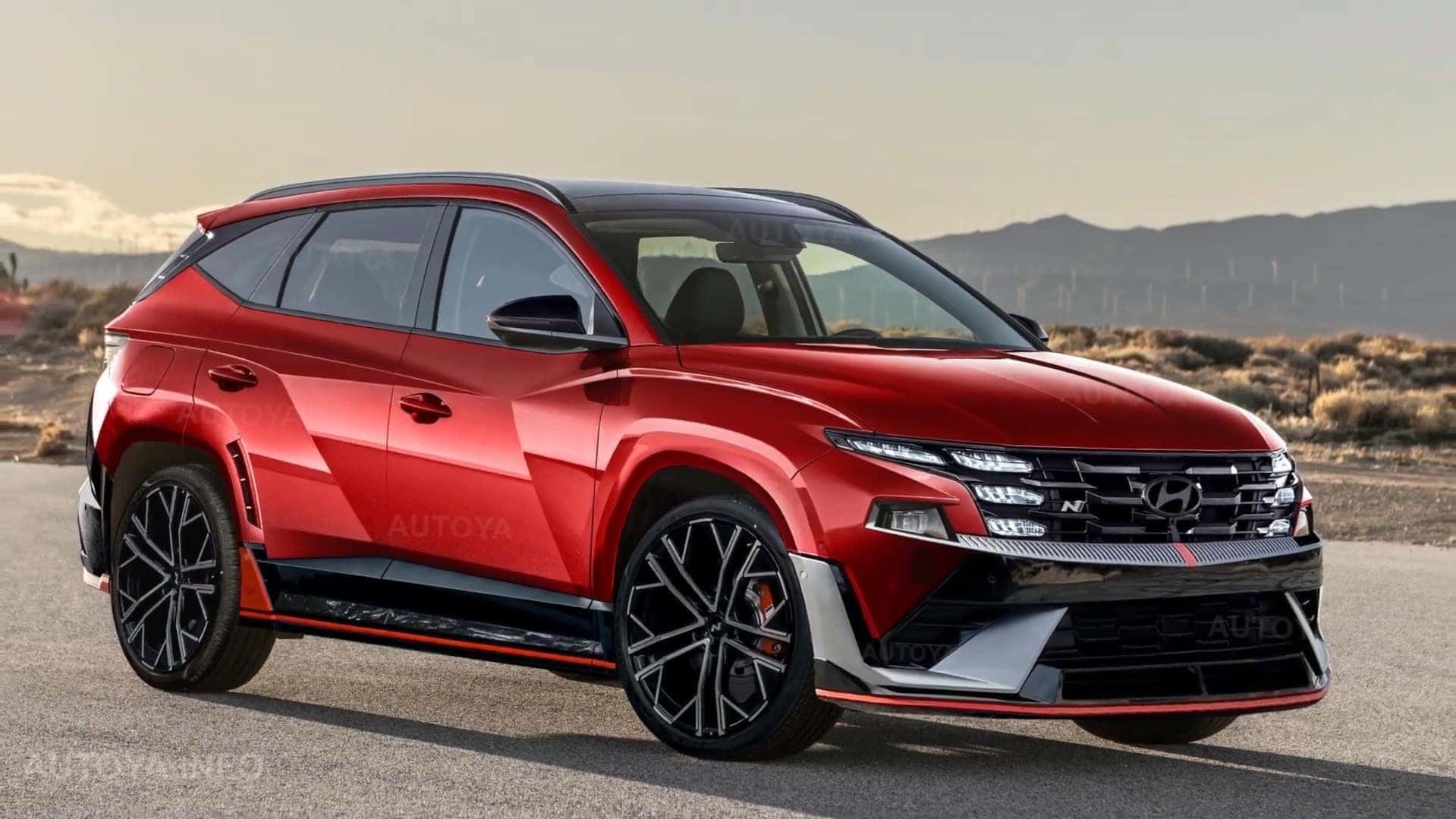
Two of the most popular compact SUVs on the market just got a lot more interesting to compare. The Mazda CX-5 arrives as a completely redesigned third-generation model — larger, more premium, and packed with technology that raises the bar for the entire segment. The Hyundai Tucson is a well-rounded, well-priced SUV that continues to earn its place as one of Hyundai’s best-selling vehicles in America.
Both are practical five-passenger SUVs in a similar price range. Both come with strong safety suites and a reputation for quality. But spend a little time comparing them and the differences become clear fast.
Here is everything you need to know about the Mazda CX-5 vs. Hyundai Tucson before you buy.
Call Us To Schedule A Test Drive At Walser Burnsville Mazda
Mazda CX-5 vs. Hyundai Tucson: Quick Overview
The short version: the CX-5 wins on standard AWD, interior quality, touchscreen technology, driving feel, and design. The Tucson wins on cargo space, rear legroom, towing capacity, and the availability of hybrid and plug-in hybrid powertrains. If carrying capacity and powertrain flexibility are your top priorities, the Tucson makes a strong case. For drivers who want AWD included from the start, a more premium cabin, and an SUV that is genuinely enjoyable to drive every day, the new CX-5 is the stronger choice.
Mazda CX-5 vs. Hyundai Tucson Specs Comparison
Here is a side-by-side look at how the two vehicles compare on the numbers that matter most.
| Spec | Mazda CX-5 | Hyundai Tucson |
|---|---|---|
| Starting MSRP (with AWD) | $31,485 — AWD always included | $30,950 (SE AWD gas) |
| Engine | 2.5L 4-cylinder SKYACTIV-G | 2.5L 4-cylinder (gas) / 1.6L Turbo hybrid available |
| Horsepower | 187 hp | 187 hp (gas) / 231 hp (hybrid) |
| Torque | 186 lb-ft | 178 lb-ft (gas) |
| Transmission | 6-speed automatic | 8-speed automatic |
| 0–60 mph | ~9.6 sec | ~8.8 sec (gas) / ~7.2 sec (hybrid) |
| AWD | Standard on ALL trims | Optional on most trims (+$1,500) |
| MPG Combined (AWD, gas) | 26 MPG | 26 MPG |
| MPG Combined (Hybrid AWD) | N/A — hybrid coming 2027 | 36–38 MPG |
| Touchscreen | 12.9″ standard / 15.6″ available | 12.3″ standard |
| Google Built-in | Standard | Not available |
| Head-Up Display | Standard | Available (upper trims) |
| Wireless CarPlay / Android Auto | Standard | Standard |
| Panoramic Moonroof | Available | Available |
| Ventilated Seats | Available | Available (Limited trim) |
| Rear Legroom | 39.9 in. | 41.4 in. |
| Cargo Space (seats up) | 33.7 cu. ft. | 41.2 cu. ft. |
| Cargo Space (seats folded) | 66.5 cu. ft. | 80.3 cu. ft. |
| Towing Capacity | 1,500 lb. | 2,750 lb. |
| Powertrain Warranty | 8 years / 100,000 miles | 10 years / 100,000 miles |
| Generation / Last Redesign | 3rd Gen — ALL-NEW 2026 | Current gen since 2022 (refreshed 2025) |
Price: Mazda CX-5 vs. Hyundai Tucson
On paper, the Tucson has a slight price advantage at the entry level. The base Tucson SE AWD starts at $30,950, while the CX-5 starts at $31,485 — a difference of about $535. At that starting point, the comparison is close.
Things shift as you move up the lineup. Mid-range Tucson trims with the features most buyers actually want — wireless charging, sunroof, leather — push into the $33,000 to $35,000 range with AWD, which is right where the CX-5 Preferred lands at $34,250 with significantly more technology included. And because AWD is standard on every CX-5 trim, you never have to pay extra for it the way Tucson buyers do on most configurations.
If you want a hybrid Tucson, the entry Hybrid Blue SE starts at $32,450 with AWD. A hybrid CX-5 is coming in 2027 — but for now, the gas CX-5 and the Tucson gas model are priced very close, and the CX-5 delivers considerably more technology for the money.
Exterior Design
The CX-5 is fresh off a complete redesign, applying Mazda’s latest KODO: Soul of Motion design language with sharper lines borrowed from the larger CX-90. It is a more mature, more premium-looking SUV than its predecessor, and it stands out in a segment where most vehicles look similar.
The Tucson is now four years into its current generation and received a refresh for 2025. Its rounded, flowing exterior has a distinctive look, though several reviewers have noted the design does not feel as cohesive or as visually resolved as some of its newer competitors. It is a good-looking SUV — just not a freshly redesigned one.
On lighting, the CX-5 comes with adaptive projector LED headlights that physically turn in corners and full LED taillamps. The Tucson offers LED headlights as well, though without the adaptive projector system.
Performance and Driving Feel
Both vehicles share the same horsepower rating in gas form — 187 hp — but the CX-5 produces slightly more torque at 186 lb-ft compared to the Tucson’s 178 lb-ft. The CX-5 uses a 6-speed automatic while the Tucson uses an 8-speed. Both feel smooth in everyday driving, though the Tucson’s gas model has been noted by reviewers as feeling a little slow off the line at around 8.8 seconds to 60 mph versus the CX-5’s 9.6 seconds — a modest difference either way.
Where the CX-5 separates itself is in how it feels to drive. Mazda engineers the CX-5 around Jinba Ittai — the idea of driver and car moving as one — and the result is an SUV with steering, handling, and road feel that no other compact SUV in this price range matches. It is tighter, more responsive, and more fun through corners. The Tucson is smooth and comfortable but has been described by most reviewers as pleasant and capable rather than engaging.
If you want a hybrid, the Tucson Hybrid is genuinely quick at around 7.2 seconds to 60 mph with its 231-hp turbocharged hybrid powertrain. That is a real performance advantage the CX-5 cannot currently match — though that changes when the CX-5 Hybrid arrives in 2027.
Fuel Economy: CX-5 vs. Tucson MPG
In gas-only AWD form, these two vehicles are essentially tied. Both earn EPA estimates of 24 city / 30 highway / 26 combined MPG with all-wheel drive. If you are comparing gas models, fuel economy is not a differentiator.
Where the Tucson pulls ahead is in hybrid form. The Tucson Hybrid AWD achieves 36 to 38 MPG combined, which is a meaningful efficiency advantage over the gas CX-5. The Tucson also offers a Plug-in Hybrid with 32 miles of all-electric range for drivers who can charge at home.
If fuel economy is your primary motivation for choosing between these two vehicles, the Tucson’s hybrid lineup is a legitimate reason to choose it. Just keep in mind that the Tucson Hybrid starts at $32,450 — and mid-range hybrid trims with more features push into the high $30,000s.
Interior, Technology, and Space
Cabin Quality
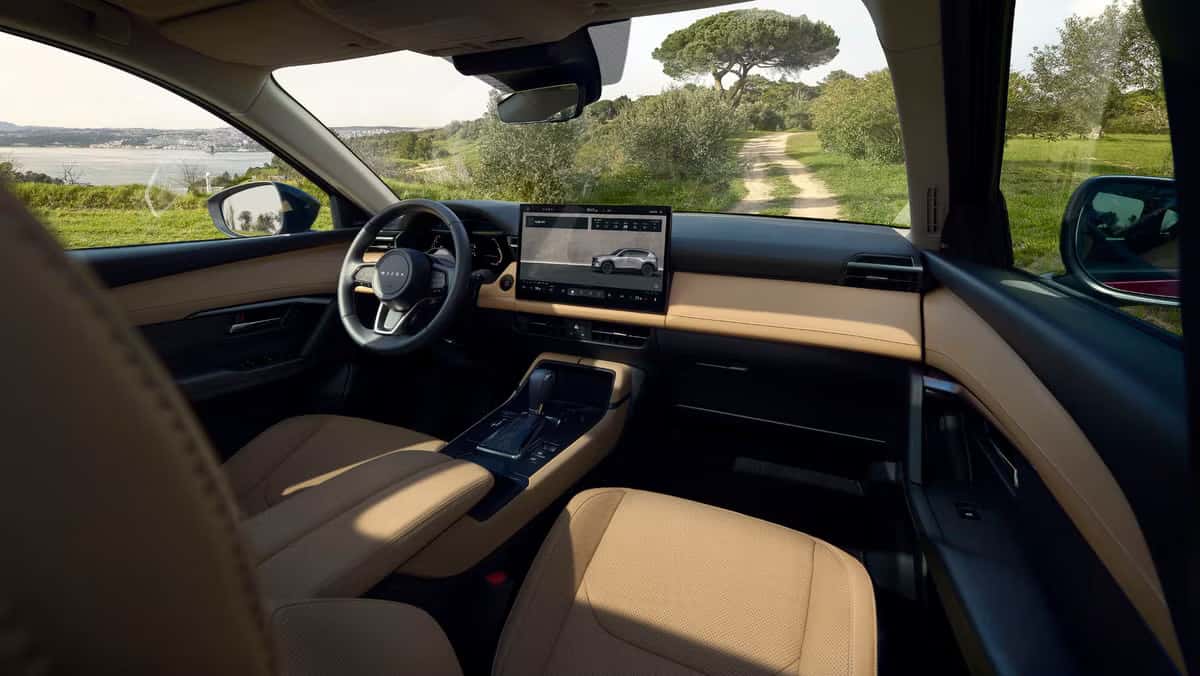
The CX-5 has long been considered the most premium-feeling compact SUV in its class, and the redesign did not change that. Mazda’s approach to interior design prioritizes quality materials, thoughtful ergonomics, and a calm, driver-focused layout that feels more like a luxury vehicle than a mainstream SUV. Upper trims offer real leather seats with 10-way power adjustment, heating, memory, and available seat ventilation.
The Tucson’s interior was meaningfully upgraded for 2025, replacing frustrating capacitive-touch controls with physical buttons and dials for climate and audio. That is a real improvement, and the cabin is comfortable and well-executed. It does feel somewhat more conventional than the CX-5, but the Tucson’s interior is genuinely competitive and well-regarded.
Technology
The CX-5 makes a strong move here. It is the first Mazda to feature Google Built-in, comes standard with a 12.9-inch touchscreen (with an available 15.6-inch on top trims), and includes a standard Active Driving Display (head-up display) and a 10.25-inch digital instrument cluster.
The Tucson comes standard with a 12.3-inch touchscreen — a solid display that is only slightly smaller than the CX-5’s base screen. Wireless CarPlay and Android Auto are standard on both vehicles. The Tucson does not offer Google Built-in but does offer Hyundai’s own navigation system. The CX-5’s standard HUD is a genuine advantage — the Tucson only offers it on upper trims.
Cargo and Passenger Space
This is one area where the Tucson has a clear, significant advantage. With 41.2 cubic feet behind the rear seats and 80.3 cubic feet with the seats folded, the Tucson is genuinely roomier than the CX-5’s 33.7 and 66.5 cubic feet respectively. Rear legroom also favors the Tucson at 41.4 inches versus 39.9 inches in the CX-5. Towing capacity is another Tucson advantage at 2,750 lbs. compared to 1,500 lbs. for the CX-5.
For families who regularly carry people and cargo, or need a little extra towing capacity, the Tucson’s size advantage is real and worth knowing about.
Safety Features
Both vehicles come with comprehensive standard driver-assistance technology across all trim levels. The CX-5 now includes the following as standard on every single trim:
- Rear Automatic Emergency Braking
- Rear Cross Traffic Braking
- Forward Turn-Across Traffic Braking
- Emergency Lane Keeping
- Blind Spot Assist with Evasive Steering
- Traffic Sign Recognition
- Mazda Radar Cruise Control with Speed Limit Assist
- Driver Attention Monitoring
The Tucson’s standard suite covers Automated Emergency Braking with Pedestrian Detection, Lane Departure Warning, Lane Keeping Assist, Blind-Spot Collision Warning, Rear Cross-Traffic Collision-Avoidance Assist, and Smart Cruise Control. Both systems are among the best in the compact SUV segment and both vehicles are strong performers in safety testing.
One meaningful long-term advantage for Tucson buyers: Hyundai backs it with a 10-year / 100,000-mile powertrain warranty. For drivers planning to keep their vehicle for many years, that gap in warranty coverage is worth factoring into the total cost of ownership.
Mazda CX-5 vs. Hyundai Tucson: Which Is Better?
Here is the honest answer.
Choose the Mazda CX-5 if: You want AWD included in the price without paying extra, a more premium and driver-focused interior, a dramatically larger touchscreen with Google Built-in, a standard head-up display, and an SUV that is genuinely fun to drive every day. The all-new third-generation redesign makes it the freshest, most feature-rich CX-5 ever built, and it punches well above its price in terms of overall feel and quality.
Choose the Hyundai Tucson if: Cargo space and passenger room are your top priorities — the Tucson’s 41.2 cubic feet behind the rear seats is a meaningful advantage. The Tucson Hybrid also makes a compelling case if fuel efficiency is important, offering 36 to 38 MPG combined with AWD. And for buyers who plan to keep their vehicle long-term, Hyundai’s 10-year / 100,000-mile powertrain warranty offers exceptional peace of mind.
For most Minnesota drivers who want a premium compact SUV with standard AWD, the best technology in the segment, and a driving experience that stands apart from the crowd, the Mazda CX-5 is the stronger choice. The redesign was thorough, the value is exceptional, and the difference is something you feel from the first mile.
Frequently Asked Questions
Is the Mazda CX-5 better than the Hyundai Tucson?
It depends on what matters most to you. The Mazda CX-5 wins on standard AWD at every trim, interior quality, touchscreen technology (12.9 to 15.6 inches vs. 12.3 inches), standard head-up display, Google Built-in, and driving dynamics. The Hyundai Tucson wins on cargo space (41.2 vs. 33.7 cu. ft.), rear legroom, towing capacity, the availability of a hybrid powertrain, and its 10-year powertrain warranty. For most drivers in Minnesota, the CX-5 delivers more premium value per dollar.
Which SUV is more reliable — Mazda or Hyundai?
Mazda consistently earns top marks from J.D. Power and Consumer Reports for dependability and owner satisfaction. Hyundai has improved significantly over the past decade and now ranks well in reliability surveys. Hyundai backs its vehicles with a class-leading 10-year / 100,000-mile powertrain warranty, which reflects confidence in long-term durability. Mazda’s track record for low cost of ownership and strong resale value is well established.
Does the Mazda CX-5 have more cargo space than the Hyundai Tucson?
No — the Hyundai Tucson has significantly more cargo space. The Tucson offers approximately 41.2 cubic feet behind the rear seats and 80.3 cubic feet with the seats folded, compared to 33.7 and 66.5 cubic feet in the CX-5. If maximum cargo capacity is a priority, the Tucson has a clear advantage. The CX-5 does offer a 40/20/40 rear seat split that allows the center section to fold independently, which adds flexibility for carrying long items while keeping rear passengers seated.
Does the Hyundai Tucson come in a hybrid?
Yes. The Hyundai Tucson is available as a standard gas model, a hybrid, and a plug-in hybrid. The Tucson Hybrid AWD achieves 36 to 38 MPG combined and starts at $32,450. The Plug-in Hybrid offers 32 miles of all-electric range. The Mazda CX-5 does not currently offer a hybrid, though Mazda has confirmed a CX-5 Hybrid is coming for the 2027 model year.
Come See the Mazda CX-5 for Yourself
Reading about it is one thing. Getting behind the wheel is another. Stop by Walser Burnsville Mazda in Burnsville to see the all-new CX-5 in person, explore every trim level, and take it for a drive.
Once you get behind the wheel, it becomes a very easy decision.
0 comment(s) so far on Mazda CX-5 VS Hyundai Tucson